- April 22, 2022
- admin
- 0
Energy and civilization
- Energy saving and rationalization of its consumption
- Utilization of renewable energy sources
Heat energy
Heat energy is obtained by combustion of different types of fuel. Heat energy created by combustion is mostly not used directly, meaning the energy of flue gases is transferred via heating surfaces to a different type of fluids – most commonly water, which is further used as a medium for energy transfer. Heat energy may be used for heating, while not changing its form or it may be converted in some other form of energy (mechanical, electrical).
The efficiency of Boiler house depends on the efficiency of the following parts in the plant:
1. Efficiency of steam / hot water boiler
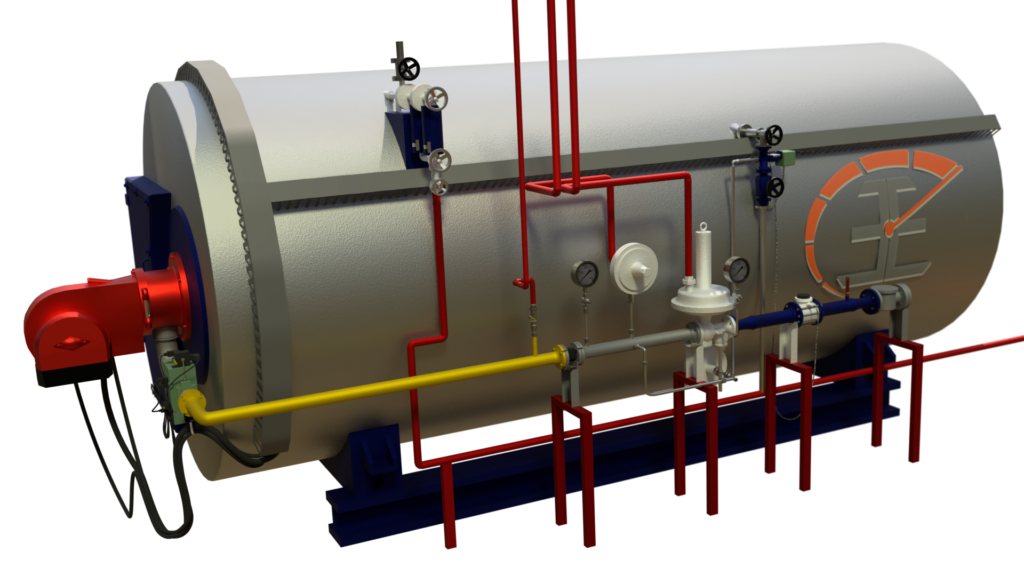
The efficiency of the boiler is a measurable value presented as the ratio between the energy that was produced by the boiler and the energy that the boiler used for combustion of fuel. Maintaining the efficiency of the steam boiler can be achieved by keeping the combustion process under constant control, by cleanness of the heating surfaces and by the good insulation of the boiler. Flue gases temperature during the process of combusting natural gas should not be above 120°C, and during combustion of heavy oil 250°C.
2. Efficiency of distribution networks
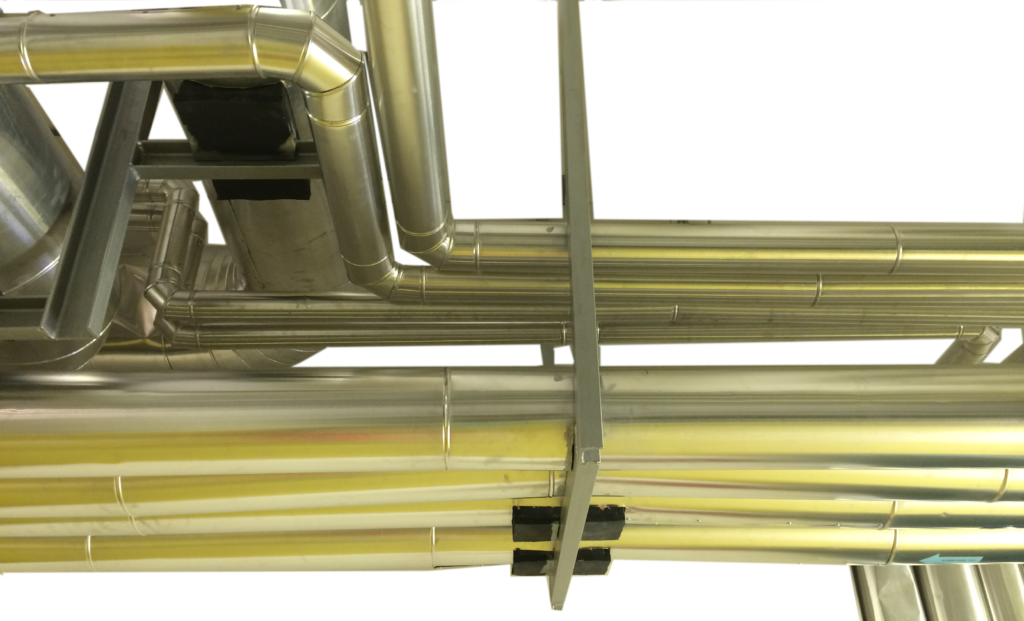
The distribution network is considered efficient if it is properly dimensioned, well insulated and if there is no detected leakage of fluids. All surfaces with the temperature above 50°C should be insulated and the very insulation should be regularly maintained. Detected leakages should be instantly repaired.
3. Efficiency of consumers
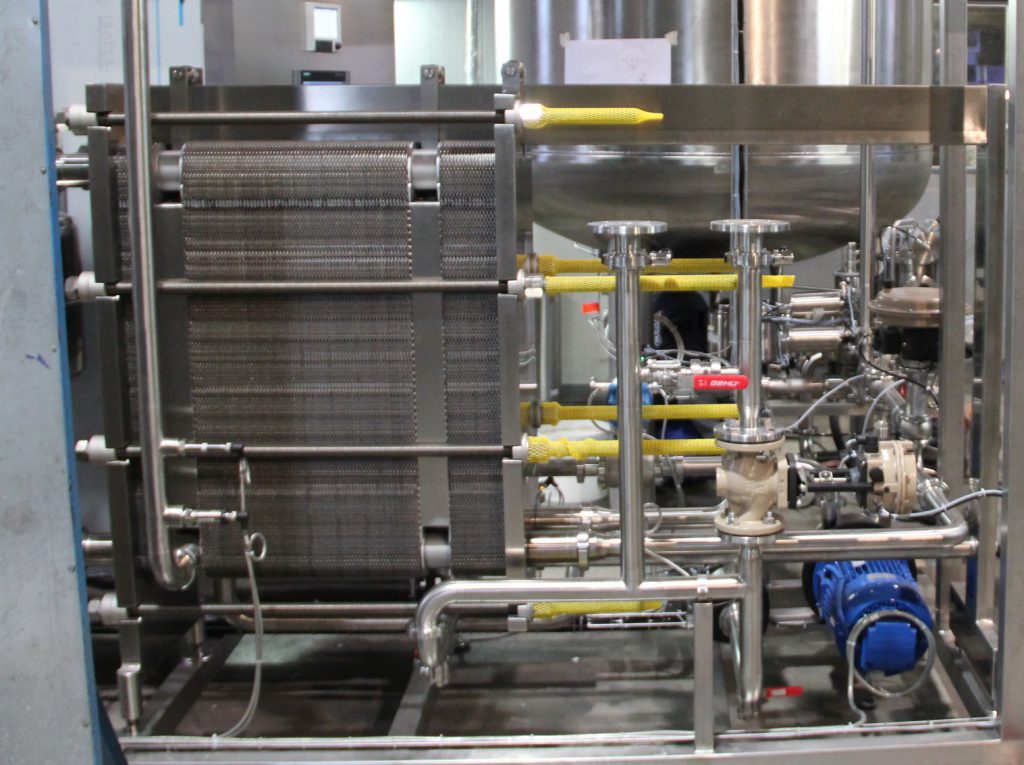
The consumer should be well dimensioned with optimal heat exchange surface area. The surface for heat exchange should be kept in clean conditions (limescale free). Fast heating of operating mediums should be slowed down all the way to the acceptable technological minimum, in order to allow enough time for the condensate to cool down. Heat consumers should be supplied with steam that is held on the lowest possible pressure (meaning lowest possible temperature) in order for the process of condensation to occur, also, on the lowest possible temperature.
4. Network for condensate recovery
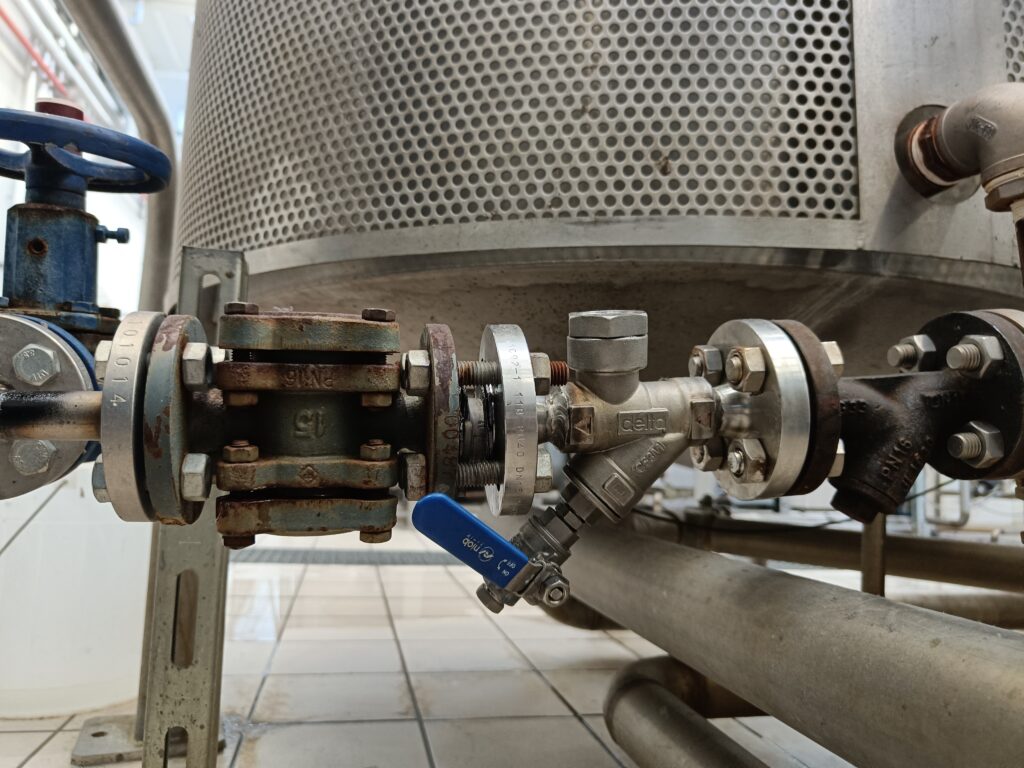
The condensate recovery rate in industrial plants should be over 85%. The most common issues in condensate recovery systems are related to defective steam traps which allow „live“ steam to be released into the atmosphere. Official statistics says that in the steam systems that have not been maintained during 3 – 5 years, one can expect to find 15 do 30% of defective steam traps. This is one of the reasons why it is of paramount importance to select good steam traps. The best choices are: Venturi steam traps, whose service life is over 20 years. Certainly, it is possible to have some leakage on the very condensate pipeline, but it is a very small possibility and it can be easily detected. Full automation and visualization of the condensate recovery system is also desirable.
Electrical energy
Electrical energy is the “finest” form of energy and it is easily transformed into other forms of energy, for example mechanical energy (electrical motors) or heat energy (different types of heating devices). Nowadays, life without electrical energy is unimaginable. Electrical energy is obtained through transformation of other forms of energy in the power plants, such as thermal power plants, hydro power plants, nuclear power plants, power plants on solar energy, wind energy or energy obtained from high and low levels of tide. The most common type of electrical energy transmission, for the consumers all over the world, is Tesla’s alternating current (AC) system. Electrical energy consumption on the global level is increasing from year to year. The largest share of produced electrical energy in the world is obtained from the non-renewable sources, by combustion of fossil fuels. This is the main reason why the saving of electrical energy is very important to decrease emissions of greenhouse gasses. In each phase from the production, distribution till the consumption there is a certain loss of electrical energy. Interesting point in industry is decreasing of the losses from the distribution transformer substations to the very consumers. The efficiency of the electrical plant in the industry is recognized through the:
1. Efficiency of transformer substations
In the transformers the energy is dissipated because of winding resistance, this type of losses is called “copper losses”, other reason is the magnetic effect, mostly in the core, therefore it is called “iron losses”. In the process of purchasing transformers, beside the price, it is necessary to have in mind also the losses. Highly efficient transformers are understandably more expensive. However, while purchasing transformers it is advisable to take in consideration the complete calculation during the depreciation period, where considered will be annual depreciation rate, and saved electrical energy on annual level, so that it is possible to compare different types of transformers.
2. Reactive power compensation
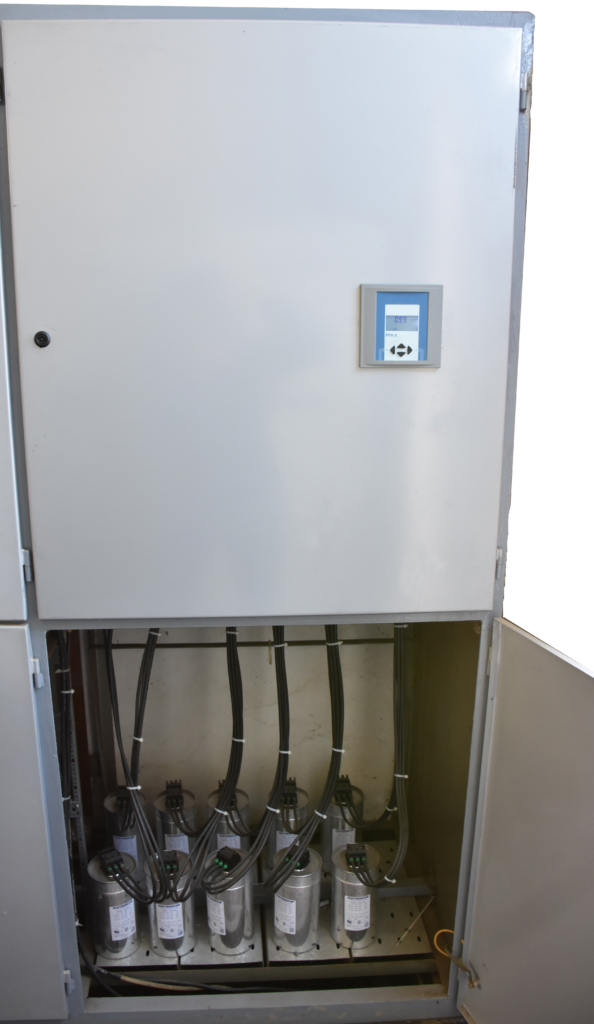
It is necessary to compensate the reactive energy because of inductive consumption in the industry, but the compensational capacitor batteries are in practices very often installed in the transformer substation, therefore they are defined in a separate section. Depending on the production branch, the profile of electrical energy consumption differs as well. In general, in industries approximately 70 % of electrical energy is consumed by electrical motors (compressors, pumps, gear boxes, fans). Hence, the profile of load is inductive. Inductive consumers, beside active energy that is transformed into useful work, take from the network reactive energy as well, that is not of any use, and therefore represents unnecessary cost. Rate of the reactive energy can be determined via power factor(cosϕ). This factor should be as larger as possible, closest as possible to one. Satisfactory value is 0.95, but with good compensations it can be brought even to 0.99. The rate of reactive energyis indicatedon the electrical energy bill. It should be negligible. In order for it to become negligible, it is necessary to compensate the inductive load with capacitive one. Most commonly used device for compensation are so called capacitor batteries.
3. Efficiency of distributional network
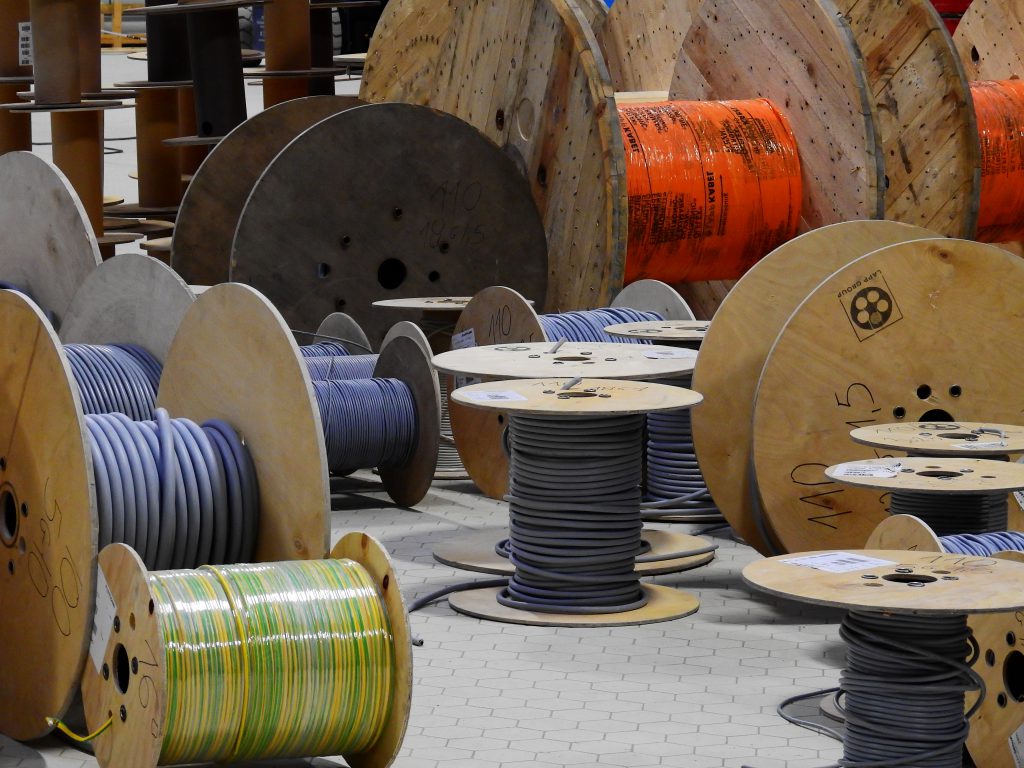
In cables, losses of energy occur as well, these losses are inversely proportional to the cross section of the cables, i.e. larger the cross section of cables, smaller the losses, while on the other hand they are directly proportional to the length of the cables and specific electrical resistance of materials from which the cables are manufactured and the square of the intensity of the current that is flowing through the cables. For the production of cables usually copper or aluminum are being used, by which the copper has a smaller specific electrical resistance then the aluminum. If the cables are dimensioned according to the maximum electrical power they have cross section large enough, and therefore the losses are negligible. However, recommendation is for the choice of cross section of cables for the biggest consumers, where it is necessary to have great length of cables, to take into consideration also the electrical energy losses in the cables themselves.
4. Efficiency of electrical energy consumers
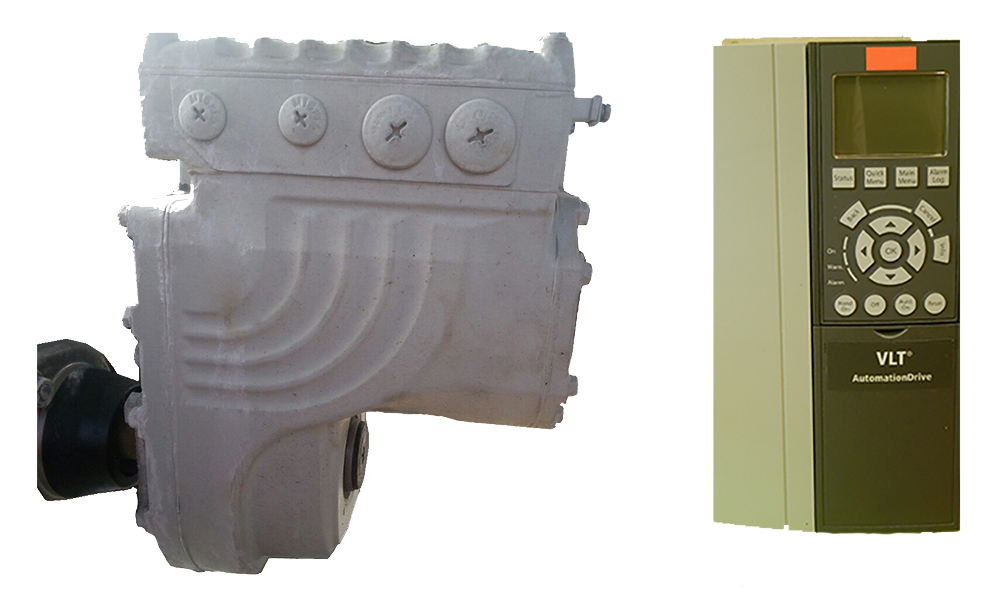
In the part of good practices, in more detail described are losses defined by the type of the consumer. There are also losses on electrical motors that, as already mentioned, represent 70 % of total consumption in industry. The most important advice is to pay attention that motors are not over sized, that on all locations where there is no constant load of electrical motors used are variable speed drives for the motors. Also, while purchasing new equipment it is desirable to choose highly efficient electrical motors.